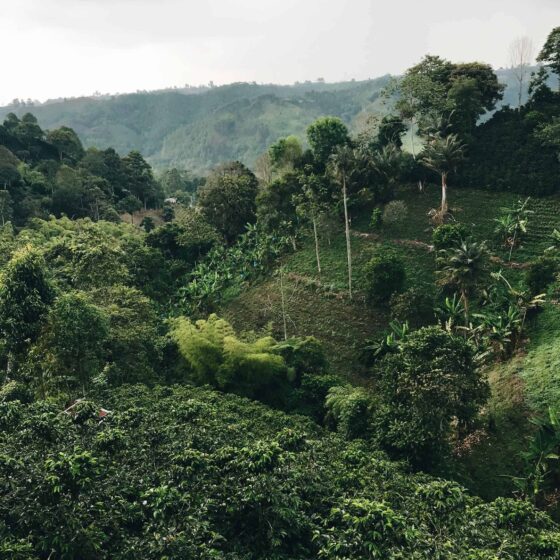
Coffee has always been more than a drink in Algeria. It is part of our rhythm, our gatherings, and our expression of hospitality. But to understand where our coffee truly comes from, we must look east — across the Red Sea, to the mountains of Ethiopia and Yemen.
Algerian coffee traditions were not born in isolation. They are part of an ancient story that connects Africa and Arabia through trade, travel, and culture.
1. Ethiopia, the Birthplace of Coffee
Every story of coffee begins in Ethiopia. For centuries, local tribes in Kaffa and Sidamo chewed coffee cherries for energy during long walks. But Yemen was the first to roast it and drink it. Later, they roasted and brewed the beans in simple clay pots.
The word “coffee” itself comes from Kaffa, the Ethiopian region where the plant Coffea arabica was first cultivated. Ethiopian coffee is famous for its floral and citrus aromas, the same kind of brightness that once inspired Algerian recipes like Qahwa Maâtra, where spice and perfume meet.
Ethiopian beans traveled north by camel and ship, carried by traders who saw coffee not just as a drink, but as a symbol of hospitality and conversation. At Qahwetna, coffee isn’t just a drink, it’s also a moment.
2. Yemen, the First to Roast and Trade Coffee
If Ethiopia gave the world coffee, Yemen taught the world how to drink it. By the 15th century, Yemeni Sufi monks in the port city of Mocha began roasting and brewing beans imported from Ethiopia across the Red Sea.
They used coffee to stay awake during long nights of prayer, and soon the practice spread to Mecca, Cairo, and beyond. From Mocha came the word “Mokha”, which still appears today in many coffee names and blends.
Yemen was the first country to export roasted coffee beans commercially. The Yemeni port of Mocha became the world’s first coffee capital, centuries before Colombia or Brazil.
It is from Yemen that Algerians merchants first brought roasted coffee into the Maghreb.
3. The Journey to Algeria
By the 16th century, Ottoman trade routes linked Yemen, Egypt, and the Algerian coast. Ships carrying coffee from Mocha and Ethiopia stopped at ports such as Alexandria, Tunis, and Algiers.
At first, coffee was a luxury enjoyed by scholars and traders. Over time, it became part of daily life. Algerian coffee houses, known as maqha, appeared in cities from Algiers to Constantine, serving coffee in small cups often perfumed with cardamom or rosewater.
Even today, the floral and spicy balance in traditional Algerian coffee reflects its Yemeni and Ethiopian origins.
4. Shared Values: Simplicity, Aroma, and Hospitality
Ethiopian coffee ceremonies, Yemeni brewing traditions, and Algerian gatherings share three values:
- Simplicity – The focus is always on the bean itself, not sugar or additives.
- Aroma – Coffee must smell alive, full of warmth and meaning.
- Hospitality – Serving coffee is an act of respect, not a transaction.
These values are exactly what Qahwetna aims to restore today. We do not reinvent Algerian coffee; we reconnect it to its real origins.
5. How Qahwetna Keeps the Connection Alive
Our roasts such as Qahwa Maâtra and Mazagran Yirgacheffe continue the story that started in Ethiopia and Yemen. We use Arabica beans from those same highlands, roasted carefully to reveal their natural sweetness.
By bringing them back to Algerian cups, we close a historical circle that began more than 500 years ago.
Final Message
Algerian coffee is not only local; it is part of a global heritage born between Ethiopia and Yemen. Every sip carries a trace of that ancient trade, that shared devotion to flavor, balance, and generosity.
At Qahwetna, we honor this history by roasting clean, healthy coffee that reconnects Algeria to its roots — Africa and Arabia, the twin origins of the drink we call home.