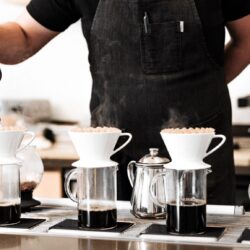
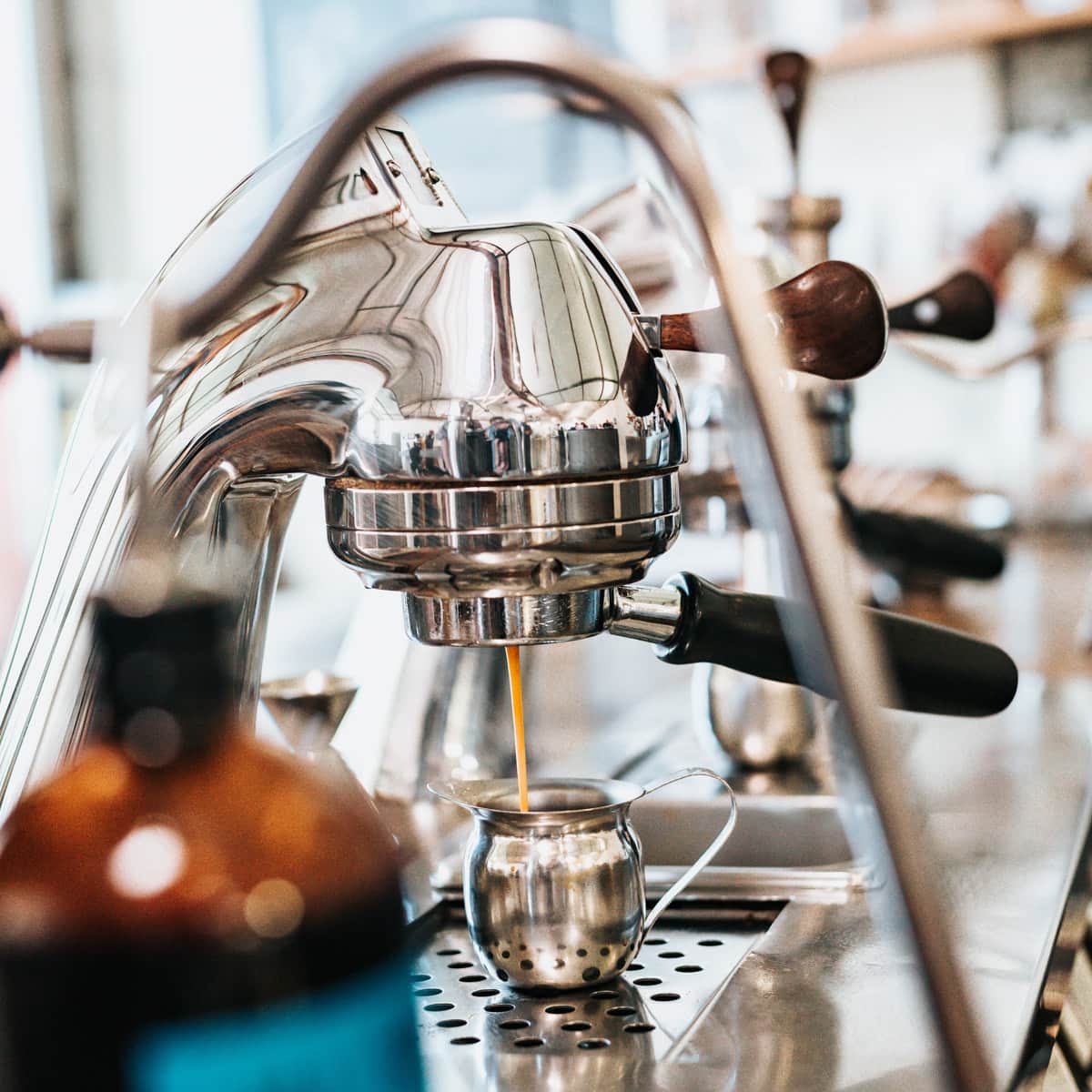
Discover espresso the way it should taste: smooth, clean, and rich in aroma. Qahwetna blends Algerian tradition with modern coffee craft.
Coffee is part of everyday life for Algerians around the world. From family kitchens to small cafés, it connects people to home. Yet most coffee available in Algeria today is poor in quality. Beans are often roasted until completely black, a habit inherited from the old French dark roast style. This destroys the natural oils and antioxidants inside the coffee, leaving it bitter, smoky, and unhealthy.
To make it drinkable, people add large amounts of sugar. The result is a drink that tastes burnt and becomes harmful over time. True coffee does not need sugar. When roasted correctly, it is naturally sweet, balanced, and aromatic.
At Qahwetna, we want the Algerian diaspora to rediscover coffee as it should be: pure, clean, and full of life. Espresso is one of the best ways to experience that truth.
1. What Espresso Really Is
Espresso is not a bean or a roast. It is a method of brewing that uses pressure, time, and temperature to extract flavor. Hot water at about 90 to 94 degrees Celsius is pushed through finely ground coffee for 25 to 30 seconds.
The exact temperature depends on the roast level.
• Light roasts or high-altitude coffees such as Ethiopian or Yemeni need slightly higher water temperature around 93 to 94 degrees.
• Medium or darker roasts like Monsooned Malabar work best between 90 and 92 degrees.
When the espresso is well brewed, it has a thick crema, smooth body, and balanced taste without bitterness.
2. Why Coffee in Algeria Became So Bitter
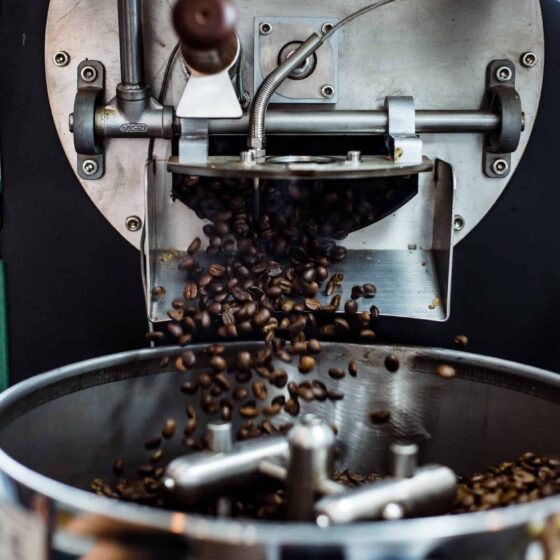
The habit of over-roasting coffee came from colonial influence. The French style of roasting was extremely dark to hide the taste of low-quality beans. That habit stayed. These burnt beans lose all nutrition, release unhealthy compounds, and taste sharp instead of sweet.
During the Algerian civil war in the 1990s, the situation got worse. Money was scarce, and Algeria had very limited access to quality imports. Many roasters used extremely low-grade robusta beans, the cheapest in the world, sometimes mixed with chickpeas or bulk shipments from abroad.. To make these beans drinkable, they were roasted very dark, completely burnt, to hide the rough taste.
That habit stayed for decades. It became what people thought coffee was supposed to taste like: black, bitter, and heavy. But in reality, it was just a survival practice that turned into a national roasting style.
Before colonization, Algerians roasted coffee lighter, closer to what roasters now call medium roast. That roast kept the natural sweetness and oils intact. Qahwetna returns to that tradition of lighter, cleaner roasting that respects the bean and the drinker.
3. Espresso as Algerian Tradition
Many Algerians already drink espresso every day. In local cafés it is called mostly presse (closer to ristretto, depending on the region). It is short, intense, and always part of daily life. Espresso has become a modern Algerian habit, not a foreign import.
It carries the same values that have always defined Algerian coffee culture: strength, aroma, and togetherness. Espresso is simply the precise, modern continuation of that taste.
4. How to Brew Espresso Correctly
Use fresh, clean coffee. Grind just before brewing. Apply steady tamp pressure. Use soft, filtered water.
Basic parameters
• Dose: 18 grams of coffee
• Yield: 36 grams of espresso (1 to 2 ratio)
• Water temperature: 90 to 94 degrees depending on roast
• Extraction time: 25 to 30 seconds
When the flow is even and the crema is golden brown, the espresso will taste naturally sweet and round. You should never feel the need to add sugar.
5. How to Taste and Serve Espresso
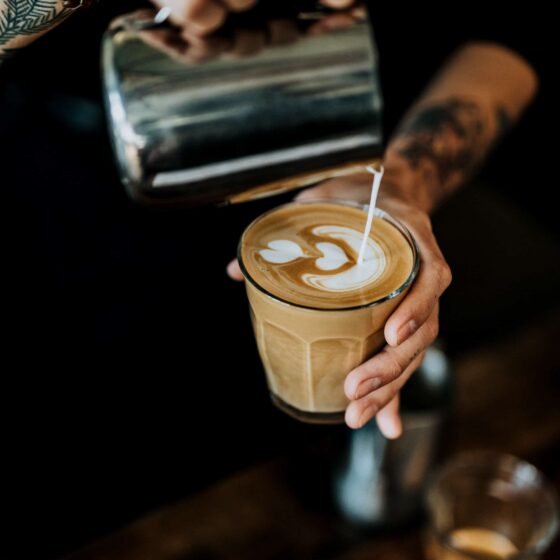
Take a moment to smell the aroma before sipping. Real espresso feels smooth on the tongue, not harsh or acidic. It has a touch of natural sweetness like cocoa or caramel.
To keep the Algerian touch, you can add a drop of orange blossom water or a light dusting of cinnamon after brewing. Serve it with Qalb el Louz, Maqrout, or a simple piece of dark chocolate. Coffee should accompany pleasure, not cover bitterness.
6. Espresso Problems and Simple Fixes
| Issue | Cause | Solution |
|---|---|---|
| Sour taste | Under-extracted or grind too coarse | Grind finer and brew longer |
| Bitter taste | Over-extracted or too dark roast | Grind coarser or lower temperature |
| Weak crema | Stale beans | Use fresh coffee |
| Uneven flavor | Uneven tamp or channeling | Apply even pressure when tamping |
7. Why Espresso Matters for the Algerian Diaspora
For Algerians abroad, espresso is a way to drink coffee that respects health and heritage at the same time. It replaces the burnt bitterness of industrial coffee with balance and clarity. It turns a daily habit into a small act of care.
Algerians do not need to drink more coffee. They need to drink better coffee. Espresso gives that possibility by highlighting quality and purity instead of quantity and sugar.
At Qahwetna, every roast is designed for this purpose. Whether it is Monsooned Malabar prepared for Qahwa Maâtra or Ethiopia Sidamo for our Perfumed Heritage line, we roast with accuracy and respect for your body and your memories.
Final Message
Espresso is not foreign. It is now part of Algerian identity. It continues a long tradition of strong, aromatic coffee that unites people wherever they are. With Qahwetna, every cup reconnects you to that story through clean roasting, honest flavor, and the health your daily coffee deserves.